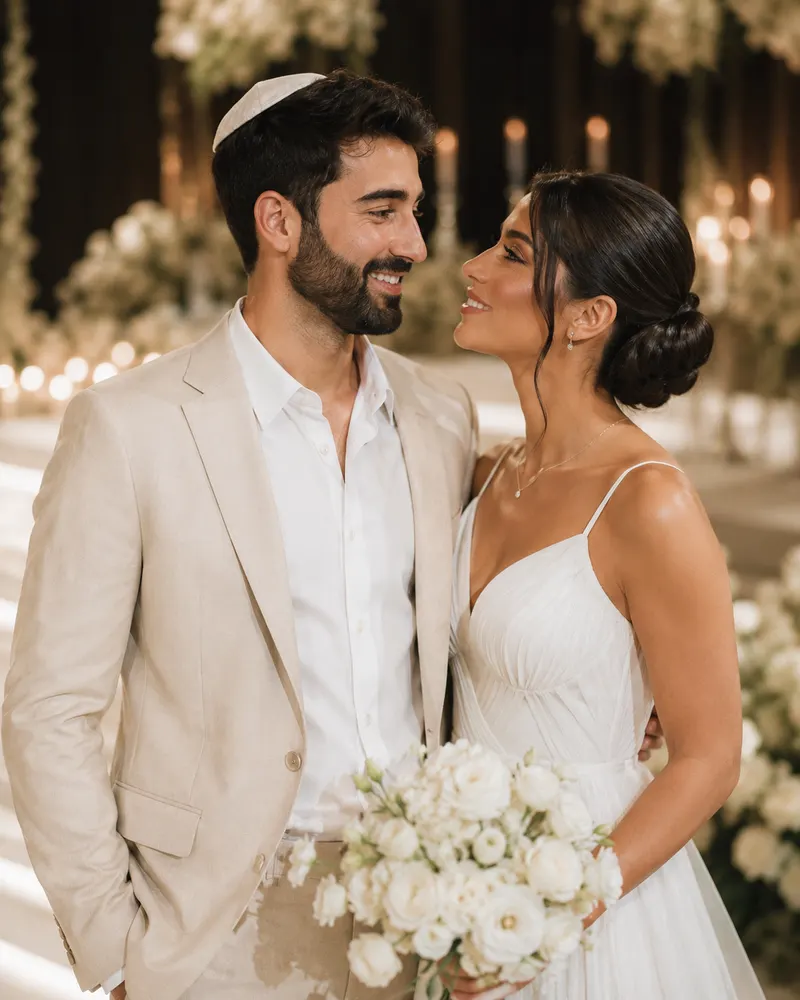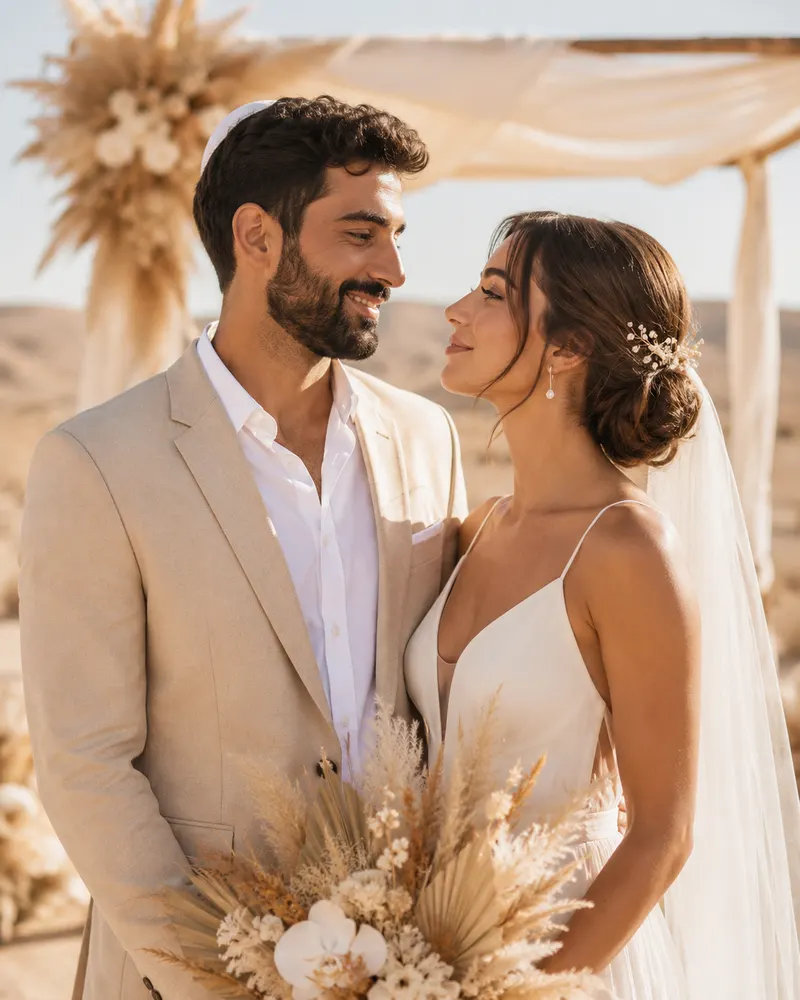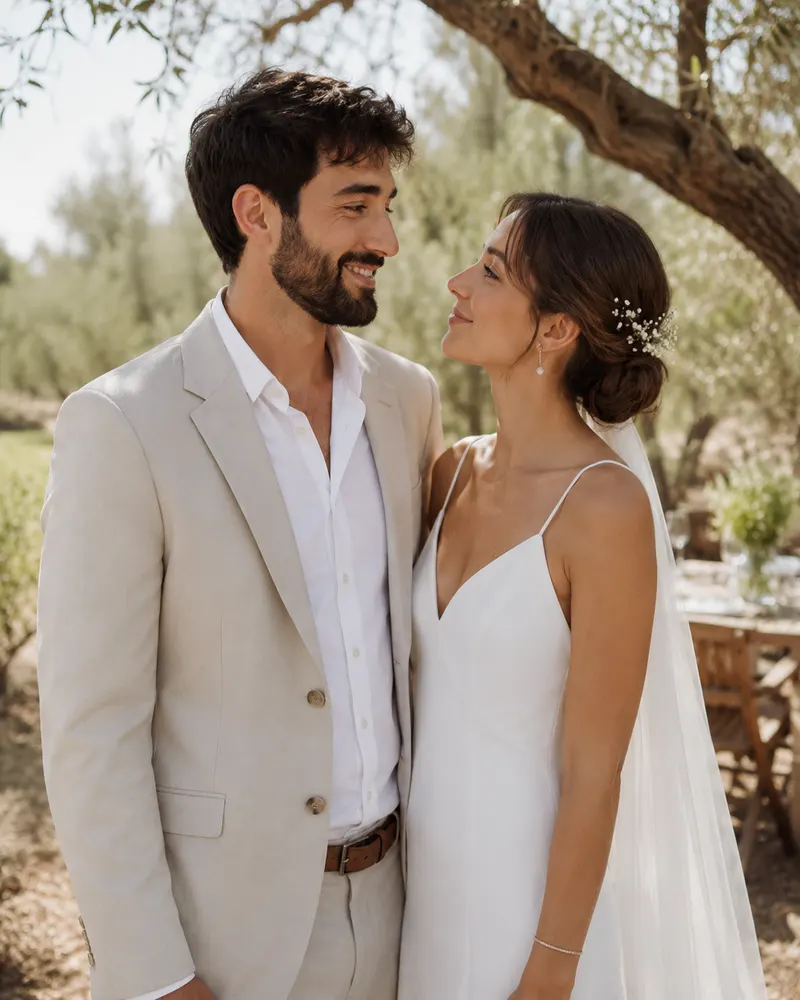

Locked in a date and a venue, and want everyone to block the day on their calendar already? That’s exactly what a save-the-date is for. Sent months before the formal invitation, it makes sure the people who matter to you are free and heads off the classic clash with another wedding or a weekend abroad. This guide covers what it includes, when to send it, and how it looks as a digital piece.
What is a save-the-date?
A save-the-date is a short, early message with a single job: asking guests to block your wedding day on their calendar. It isn’t the formal invitation and doesn’t replace it — it’s the teaser that comes first. A guest who receives a save-the-date understands they’re on the list, that the event is real and on its way, and that the full invitation with all the details will follow later.
People often call it a “heads-up” or a “hold the date,” but the idea is the same: an early, warm, brief alert that builds anticipation for the event.
Why send a save-the-date at all
Not every couple needs one, but in many cases it makes a real difference:
- Busy wedding season — couples marrying in summer, between August and September, compete for the same weekends against dozens of other weddings.
- Out-of-town guests — family from abroad or friends from the far north and south need time to plan travel and lodging.
- Destination wedding — an event in Eilat, Crete, or Cyprus means flights and time off that have to be planned in advance.
- Peace of mind — once guests have marked the day, it’s easier for you to move on to the rest of the planning without pressure.
When to send a save-the-date
The simple rule: send a save-the-date once the date and city are certain, even if the smaller details aren’t locked yet.
- A typical wedding in Israel — about three months before the event. Enough time to mark the day, not so early that it’s forgotten.
- Peak season — if you’re marrying in the heart of summer, push it earlier, to four or five months out.
- A destination or overseas wedding — six months to a year ahead, so there’s time for flights, vacation days, and budget.
The full invitation, by contrast, goes out later — four to six weeks before the wedding. The save-the-date opens the sequence, and the invitation closes it.
What must appear on a save-the-date
The beauty of a save-the-date is its minimalism. All you need is:
- The couple’s names
- The full wedding date
- The city or region (not necessarily the exact venue)
- A short line making clear the formal invitation will follow
That’s it. Four lines that tell a guest everything they need to know at this stage. Here’s an example of warm, brief wording:
“Shira & Daniel are getting married! September 14, 2026, Tel Aviv. Save our date — a formal invitation with all the details is on its way to you.”
What to leave off a save-the-date
This is where many couples slip up and pile on too much. All of the following belong on the full invitation, not the save-the-date:
- Exact reception and ceremony times
- The full venue address and a navigation button
- A detailed event schedule
- A dress code or special requests
- An RSVP
The reason is simple: if you load everything in now, the save-the-date looks like a duplicate invitation and loses its charm. Keep it short and intriguing. If you want to understand in depth what should appear later, we have a complete guide to digital wedding invitations that walks through every detail.
Digital save-the-dates: formats and benefits
A save-the-date used to be a printed postcard mailed out. Today it’s almost always digital, sent over WhatsApp in seconds. The common formats:
- A square image — one designed file that’s perfect for sending straight on WhatsApp and saving to the gallery.
- An Instagram story — a designed vertical version for sharing in a story, ideal for a formal announcement.
- A short GIF or animation — gentle motion that catches the eye and feels celebratory.
On cost, a digital save-the-date usually ranges from a few dozen shekels to a small add-on within an invitation package — far less than a printed postcard with postage. The big advantage is that it reaches your entire guest list within minutes and uses the same visual language that will return in the formal invitation, the story, and the RSVP.
How it ties into the full invitation
The save-the-date and the invitation are two chapters of the same story. To make the transition between them feel natural, keep the same lead color, the same typography, and the same tone. When the guest receives the full invitation a couple of months later, they’ll instantly recognize the style and connect the two. That creates one polished sequence, from the first announcement to the evening itself.
Ready to announce your date in style? Pick the package that fits you, and we’ll start together on WhatsApp.