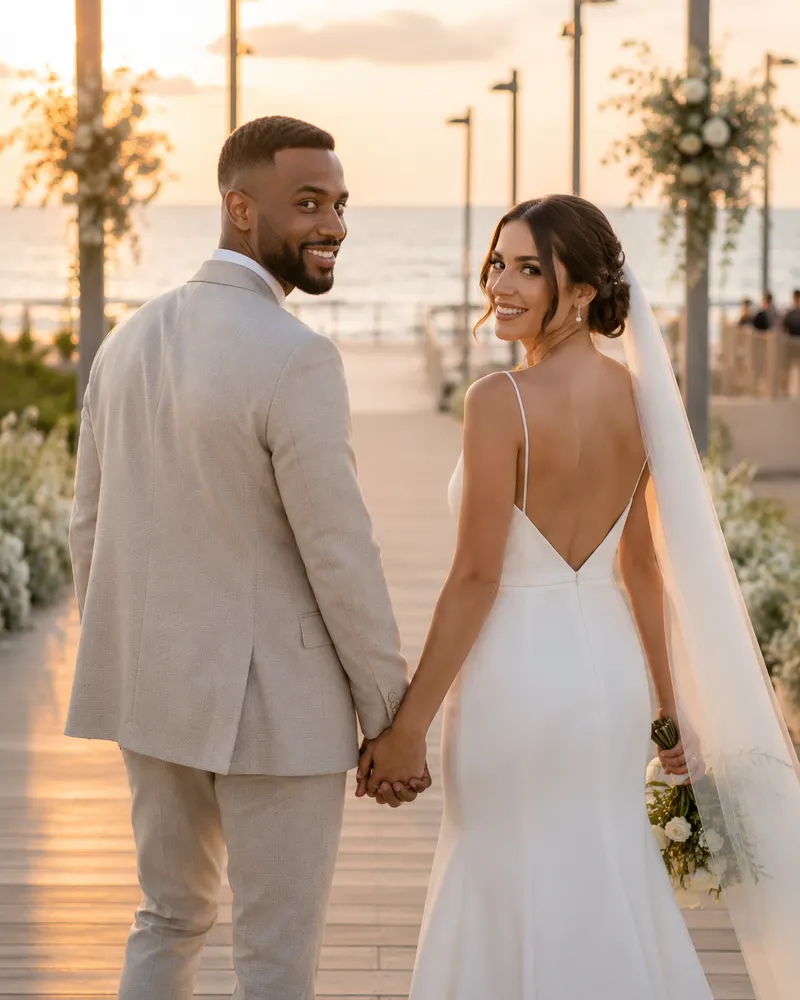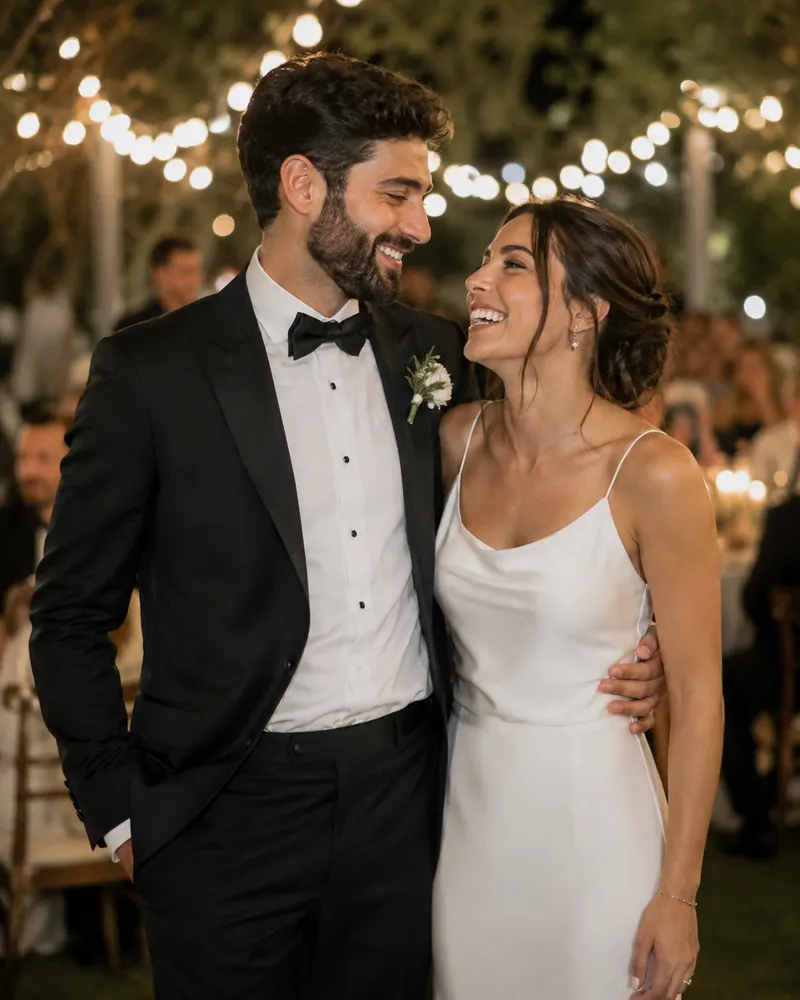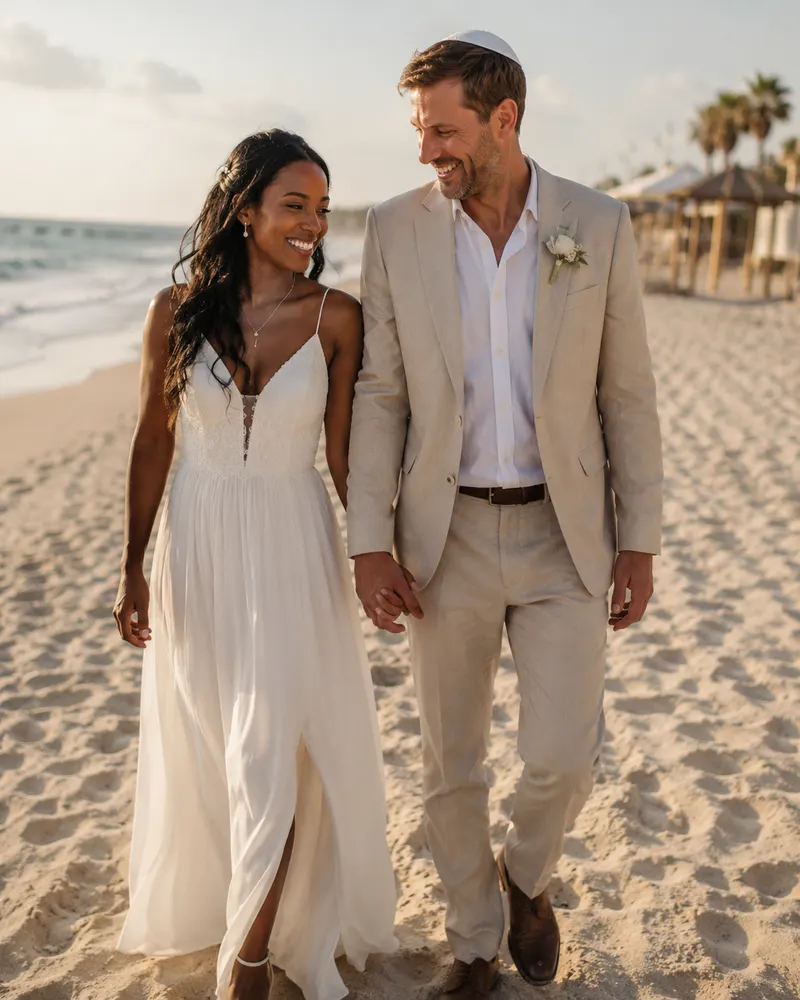
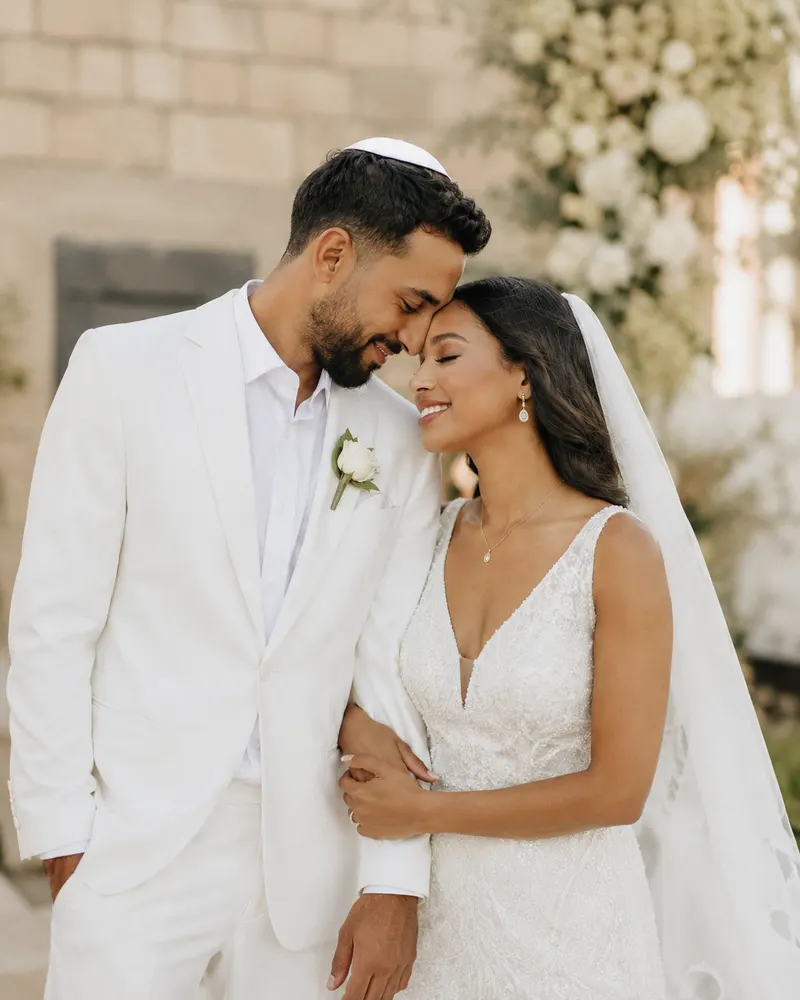
A wedding that brings together two faiths, two cultures, or a couple who chose a civil ceremony is first and foremost a story of connection. The invitation is the first moment both families meet the event, so its wording should make each side feel they fully belong to this celebration. Here we walk through how to word a respectful, balanced and inclusive invitation without asking anyone to give up their identity.
Why inclusive wording matters most here
At a traditional wedding most guests share the same religious and cultural language, so the wording almost writes itself. At a mixed wedding the picture is different: one side may expect a familiar verse or blessing, while on the other side that same phrase can feel foreign. Inclusive wording resolves that tension by focusing on the common ground, love and family, rather than symbols tied to a single faith.
- Open with an emotional, non-religious line such as ‘With great joy we invite you to celebrate with us’.
- Avoid quotes identified with one side, unless both partners chose them together.
- Keep a warm, personal tone that speaks to every guest equally.
If you are still unsure about the basic phrasing, start with our guide to wedding invitation wording and then adapt it to the mixed character of your event.
Balancing two families in order and words
The order in which names appear is not just technical, it is a statement. At a mixed wedding it matters to keep symmetry so neither family feels secondary.
- Present both sets of parents facing each other, in the same size and the same styling.
- If one family uses traditional titles and the other does not, consider dropping them on both sides for balance.
- When surnames or Latin spellings differ, make sure everything appears consistently throughout the invitation.
With joy and love Maya Levi and Daniel Petrov invite you to celebrate our marriage Saturday, 12 July 2026 Nof HaCarmel garden venue, Haifa The Levi family and the Petrov family, together
Two languages side by side
When each side comes from a different language background, a bilingual invitation is not a luxury but basic courtesy. Grandparents on one side may read Hebrew easily, while the other side is more comfortable in Russian, English or Arabic.
- Show the same wording in two languages, side by side or with a tap to switch.
- Keep the message identical in both languages, so it never reads like two different invitations.
- Mind the direction: Hebrew and Arabic run right to left, Russian and English left to right.
A digital invitation makes this easy, because you can combine both languages on one screen without printing two copies. We expand on this in our guide to bilingual wedding invitations.
A civil wedding or a ceremony abroad
Many mixed couples choose a civil ceremony in Cyprus, Prague or a city hall in Israel, sometimes followed by a second celebration back home. The invitation should make the logistics clear without confusing guests.
- State the civil ceremony and the party separately if they are on different dates or in different places.
- Add a clear Gregorian date, and flight or organized transport details where relevant.
- Attach a Google Maps or Waze link to the venue, even when it is outside Israel.
We are delighted to invite you to celebrate with us Civil ceremony: 4 August 2026, Larnaca, Cyprus Wedding party in Israel: 15 August 2026, Hadarim hall, Rishon LeZion Transport and group flight details will be sent to those who register
How the digital invitation helps balance both sides
Beyond wording, the digital format offers practical tools that make a mixed wedding easier:
- You can send one language version to one side of the family and a different version to the other, from the same invitation.
- A built-in RSVP collects replies in Hebrew and the second language in one place, with no extra phone calls.
- Waze navigation and add-to-calendar are built into the invitation, especially handy for guests who do not know the area.
- Gift payment through Bit or PayBox works for local guests and for family arriving from far away.
A designed digital invitation usually ranges from a few hundred shekels to around ₪1,500, depending on the number of languages, animation and design complexity, and costs far less than double printing in two languages. If you are just starting out, the full guide to digital wedding invitations will help you understand what each package includes.
We would love to help you design an invitation that honors both families and both traditions. Pick the package that fits you and continue with us on WhatsApp, and together we will build an invitation where every guest, from either side, feels at home.